The registrations Pune founders forget: Shop Act, Professional Tax and the rest
Most checklists stop at incorporation, GST and a bank account. In Maharashtra, two more registrations apply to almost every business from its first day, and three more follow its first hires. None is expensive. All are easy to miss.
This guide is written for businesses in Pune, but everything here applies across Maharashtra. For the full sequence from idea to trading, see our napkin-to-business map.
At a glance: what applies, and when
| Registration | Law | When it applies | Cost |
|---|---|---|---|
| Shop Act intimation (Form F) | Maharashtra Shops and Establishments Act, 2017 | Any establishment with fewer than 10 workers, within 60 days of starting | Free |
| Shop Act registration (Form A) | Same Act | 10 or more workers, within 60 days | Fee scaled by headcount |
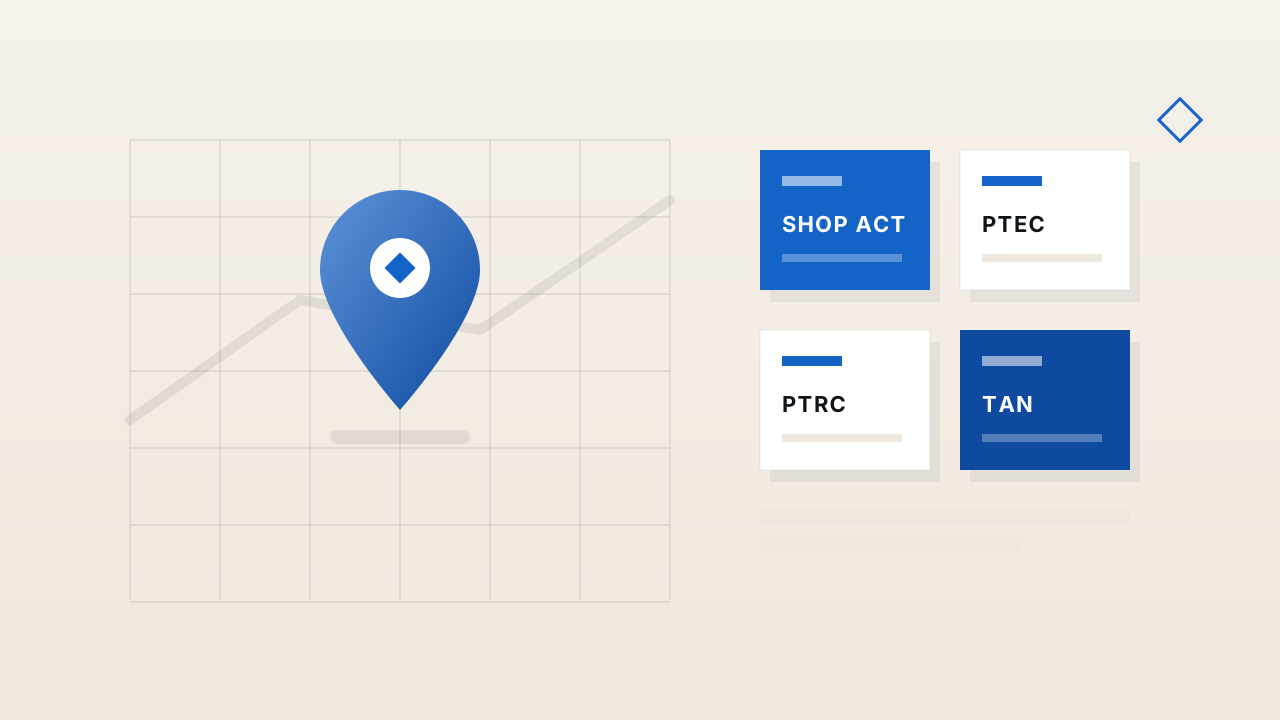
| PTEC (Professional Tax Enrolment Certificate) | Maharashtra professional tax law, 1975 | The business itself, and each director or partner, on its own account | ₹2,500 a year for most businesses |
| PTRC (Professional Tax Registration Certificate) | Same | From your first employee above the salary threshold | Deducted from salaries |
| TAN | Income-tax law | Before you deduct TDS (on rent, contractors, professional fees, salaries) | Small fee |
| EPF | Social security law | Establishments with 20 or more employees | Contributions |
| ESIC | Social security law | 10 or more employees in covered areas; voluntary below that | Contributions |
1. Shop Act: the "Gumasta" everyone mentions
The Maharashtra Shops and Establishments Act, 2017 draws the line at ten workers.
- Fewer than 10 workers: file an online intimation in Form F within 60 days of starting business. There is no fee, and apart from this intimation the Act's other provisions do not apply to you.
- 10 or more workers: apply for registration in Form A within 60 days. Registration under the 2017 Act does not need annual renewal, unlike the old 1948 Act.
- When you cross 10: you move from intimation to registration.
Banks often ask for the Shop Act document when opening a current account for a proprietorship, which is why many founders meet it first there. Apply through the state's Aaple Sarkar or labour department portal.
2. Professional Tax: two certificates, not one
Maharashtra levies professional tax on businesses, professionals and salaried people. It uses two separate certificates, and a typical company needs both.
PTEC is for your own liability. The company, the LLP or the proprietor pays professional tax on its own account, usually ₹2,500 a year, the maximum any one person or entity pays. Directors of companies generally need their own PTEC as well.
PTRC is for your employees. Once you pay a salary above the threshold, you deduct professional tax from it and deposit it. The monthly slabs:
| Employee | Monthly gross salary | Professional tax |
|---|---|---|
| Men | Up to ₹7,500 | Nil |
| Men | ₹7,501 to ₹10,000 | ₹175 a month |
| Men | Above ₹10,000 | ₹200 a month, ₹300 in February |
| Women | Up to ₹25,000 | Nil |
| Women | Above ₹25,000 | ₹200 a month, ₹300 in February |
The February ₹300 brings the annual total to exactly ₹2,500. If you have no employees, you need only PTEC.
Deadlines: following the state's 2026 amendment rules, monthly PTRC returns are due by the 15th of the following month and the annual PTRC return by 15 March. Late registration and late payment carry monthly interest, so register the month you hire.
3. TAN: before your first TDS deduction
If you pay rent above the threshold, hire a contractor, pay a professional or run payroll, you will deduct TDS. You need a TAN (Tax Deduction and Collection Account Number) first. It is quick to get, and deducting without one is a default in itself. From April 2026, TDS runs under Section 393 of the new Income-tax Act; see what changed under the new Act.
4. PF and ESIC: when your team grows
- EPF applies once you employ 20 or more people. You can register voluntarily earlier.
- ESIC is mandatory from 10 employees in covered areas and, since the Labour Codes, is voluntary below 10.
Both are calculated on "wages", which under the Labour Codes must be at least half of total pay. Structure salaries correctly before you register, not after.
What this does not cover
Sector licences depend on what you do, not where you are: FSSAI for food, drug licences for pharmacies, fire and health permissions for certain premises, and trade permissions from the municipal corporation for specific trades. If you run a restaurant, clinic, school or factory, check these with the relevant authority before you open.
The honest summary
The Maharashtra layer of compliance is cheap and mostly online, which is exactly why it gets skipped. A Pune startup with five employees typically needs a Shop Act intimation, a PTEC for the company, PTECs for its directors, a PTRC for payroll and a TAN. Put them on the same day as your GST registration and Udyam and you will never think about them again, except for the returns.
Rasika's PAN, TAN & Allied and 3-Day Business Setup services cover Shop Act, PTEC, PTRC and TAN alongside GST and Udyam, at published fixed fees.
Frequently asked questions
Is Shop Act registration mandatory in Pune for small businesses? +
What is the difference between PTEC and PTRC? +
What is the professional tax slab in Maharashtra in 2026? +
Does a proprietor with no employees need professional tax registration? +
Does the Maharashtra Shop Act registration need renewal? +
Sources (checked 1 October 2026)
- India Code: Maharashtra Shops and Establishments Act, 2017 (ten-worker threshold, 60-day intimation and registration)
- CalcGuru: Gumasta licence Maharashtra (Form F free, no renewal under 2017 Act)
- Majmudar & Partners: new Maharashtra shops law (small establishments exempt beyond intimation)
- TaxGuru: Maharashtra professional tax guide (PTEC vs PTRC, 2026 due dates)
- Agrawal Khandelwal: professional tax in Maharashtra (slabs, ₹2,500 cap)
- TAXAJ: professional tax registration (Pune five-employee example, 2026 amendment dates)
- PIB via Ministry of Labour: Labour Codes (ESIC voluntary below 10)
This article is general information, current as of 3 October 2026. It is not legal or tax advice for your specific situation.