From napkin sketch to running business: the complete map
Every step between the idea and the open sign, in order, with the genuinely optional separated from the genuinely essential.
Most maps of "how to start a business" are really incorporation checklists in costume. They begin at company registration and end at the certificate, as though the hard part is the paperwork. The hard part is everything around it: the decisions before you file, and the work after, that turns a registered entity into a business that actually trades. This is the complete map, every step between the idea on a napkin and the open sign, with the genuinely optional separated from the genuinely essential.
Stage one: before you file anything
Pressure-test the idea
Before a rupee goes to registration, the cheapest thing you can do is find out whether anyone wants what you are planning to sell. Talk to ten potential customers. Try to take a pre-order, a deposit, or even a firm "yes, I'd buy that." Validation is the step founders most want to skip and most regret skipping, because everything downstream costs more than a conversation does.
Choose the structure, deliberately
This is the decision that is cheapest to get right before you file and most expensive to fix after. Private limited company, LLP, OPC or partnership each carry different compliance burdens, costs and signals. A Pvt. Ltd. is usually right if you intend to raise investment; an LLP carries far lighter annual compliance if your turnover stays modest. Structure also decides what you can claim later: DPIIT startup recognition, for example, is open only to private limited companies, LLPs, registered partnerships and cooperatives. Decide this with advice, using our structure comparison, not by defaulting to whatever the first article you read recommended.
Settle the name
Your company name has to clear the MCA's rules: distinctive, not too similar to an existing company or trademark, no restricted words. Roughly one in three name applications is rejected, almost always for reasons that are predictable in advance. Our guide to naming a company the MCA will approve covers all six.
Stage two: incorporation and registrations
Incorporate
The SPICe+ form handles name reservation, incorporation, DIN, PAN and TAN in one consolidated flow. With documents in order, the certificate typically issues in about 10 to 15 working days. For the true, itemised cost, including the stamp duty the ₹499 ads hide, see the honest cost of starting a business in India.
Get the foundational registrations
Alongside or just after incorporation:
- GST, if your turnover or business type requires it. Many small businesses can now be registered in three working days.
- Udyam (MSME), which is free and unlocks cheaper credit, a halved trademark fee and protection against late payment. See why it should be your first registration.
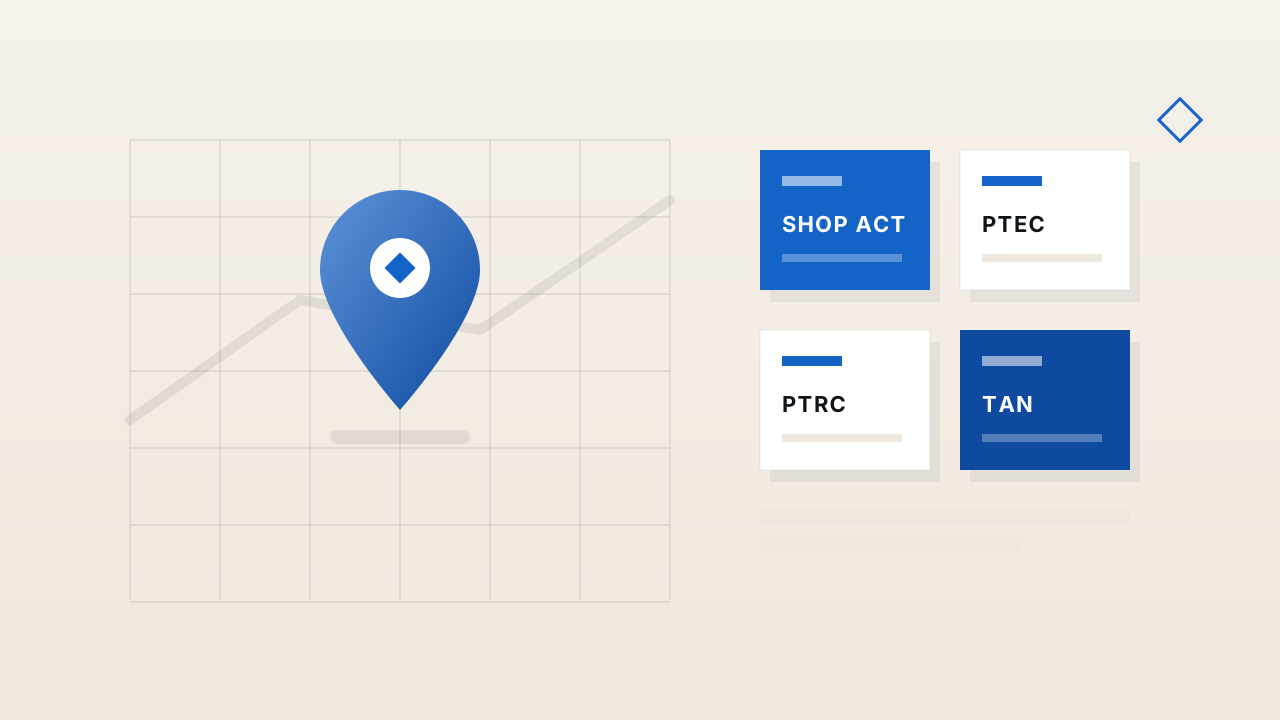
- State registrations: in Maharashtra, Shop Act and professional tax apply to almost every business. Our Pune registrations guide lists them.
- A current account, and any sector-specific licences your business needs to operate legally.
Clear the first compliance block
The clock starts at incorporation: first board meeting and auditor within 30 days, share certificates within 60, and the critical INC-20A within 180. The full sequence is in your first 90 days of compliance.
Stage three: becoming a business people can find and trust
Here is where the incorporation-checklist maps go quiet, and where real businesses are actually built.
Brand and identity
At minimum, a logo and a basic system for how it is used: colours, type, the consistency that makes a business look established rather than improvised. It is the cheapest credibility you will buy, and a template logo that hundreds of others share is a false economy you pay for twice. Our checklist of what a brand identity should deliver covers files, guidelines and who owns the logo.
A web presence and the things under it
A single, well-built page on your own domain, with business email at that domain, is enough to start. Remember the recurring costs underneath: domain, hosting and email renew every year and belong in the budget from day one. If customers find you locally, your Google Business Profile matters as much as the site. And every enquiry form now collects personal data, so build it to the DPDP rules from the start.
Collateral and the means to sell
Business cards, a one-page profile, a simple deck, branded invoice and quote templates. Then the actual sales motion: how leads find you, how you follow up, and where you record it all. A business is not a business until it can take a customer from "interested" to "paid" without improvising each time.
Stage four: running and growing
Put the operating rhythm in place
Books kept monthly, compliance ahead of deadlines, a basic CRM so no lead goes cold, and a clear view of cash. This is the unglamorous machinery that lets you grow without the wheels coming off, and it is far easier to install early than to retrofit during a busy quarter. Our guides to who does your books and why profitable businesses run out of cash cover the two halves of it.
Then, deliberately, scale
Marketing, paid acquisition, content and partnerships, but only once the foundation holds. Pouring growth spend onto a business with no system underneath it is how founders end up busy and broke at the same time. When you do spend, do the arithmetic first.
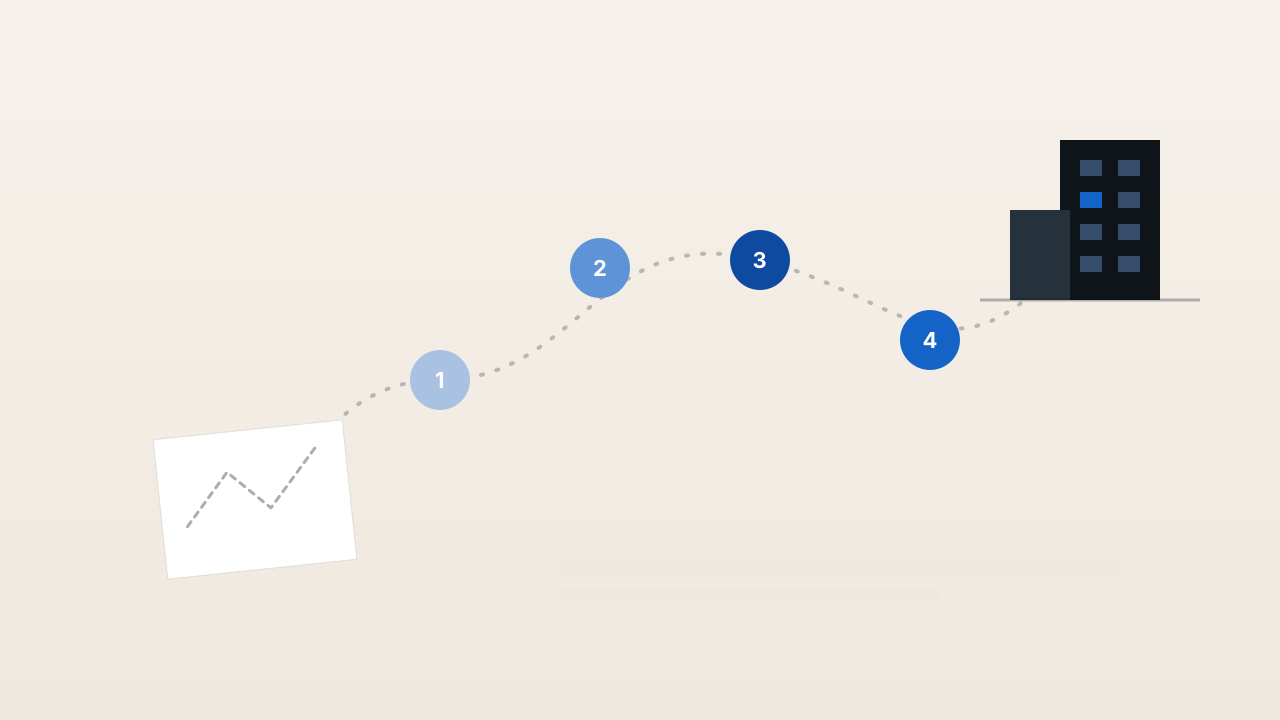
| Stage | The essential move |
|---|---|
| 1. Before filing | Validate, choose the structure, settle the name |
| 2. Incorporation | Incorporate, register, clear the first compliance block |
| 3. Becoming real | Brand, web presence, collateral, sales motion |
| 4. Running and growing | Operating rhythm first, then scale |
The one principle that holds the map together: sequence beats speed. Almost every expensive mistake in starting a business comes from doing the right thing in the wrong order: scaling before the foundation holds, filing before choosing the structure, building a brand before knowing anyone wants the product. Get the order right and the costs become manageable.
Where we fit
This map is, more or less, the shape of Rasika & Co. itself. Our three practices follow it directly: Establish for stages one to three, Scale for the growth in stage four, and Optimize for the operating rhythm that holds it all together. The point of an operating partner is precisely this: someone who has walked the whole map before, so you are not discovering each stage the hard way. If you are somewhere on this path and want to know what comes next for your business, that is what a conversation is for.
Rasika's Launchpad takes a business from idea to market-ready in three to four weeks: structure, incorporation, registrations, brand and launch site, with one accountable team.
This article is general information, current as of 3 October 2026. It is not legal or tax advice for your specific situation.