Annual ROC compliance for a private limited company: every form, every date, in plain English
Every private limited company files with the Registrar every year, whether it made ₹1 crore or nothing at all. For FY 2025-26, the two big deadlines are 30 October and 29 November 2026. Here is the full list, what each form does, and what missing one actually costs.
The Registrar of Companies does not care whether your company traded this year. A dormant company with a bank balance of ₹10,000 owes the same annual filings as a busy one. What varies is the form, and whether you qualify for the lighter small company versions.
The annual cycle in order
- Close the books for the financial year ending 31 March.
- Statutory audit. Every company, of every size, is audited.
- Board meeting to approve the audited financial statements and the board's report.
- Annual General Meeting (AGM) of shareholders to adopt the accounts. For FY 2025-26, the deadline was 30 September 2026. A company's first AGM can be held within nine months of the end of its first financial year; the filings due before that are in your first 90 days of compliance.
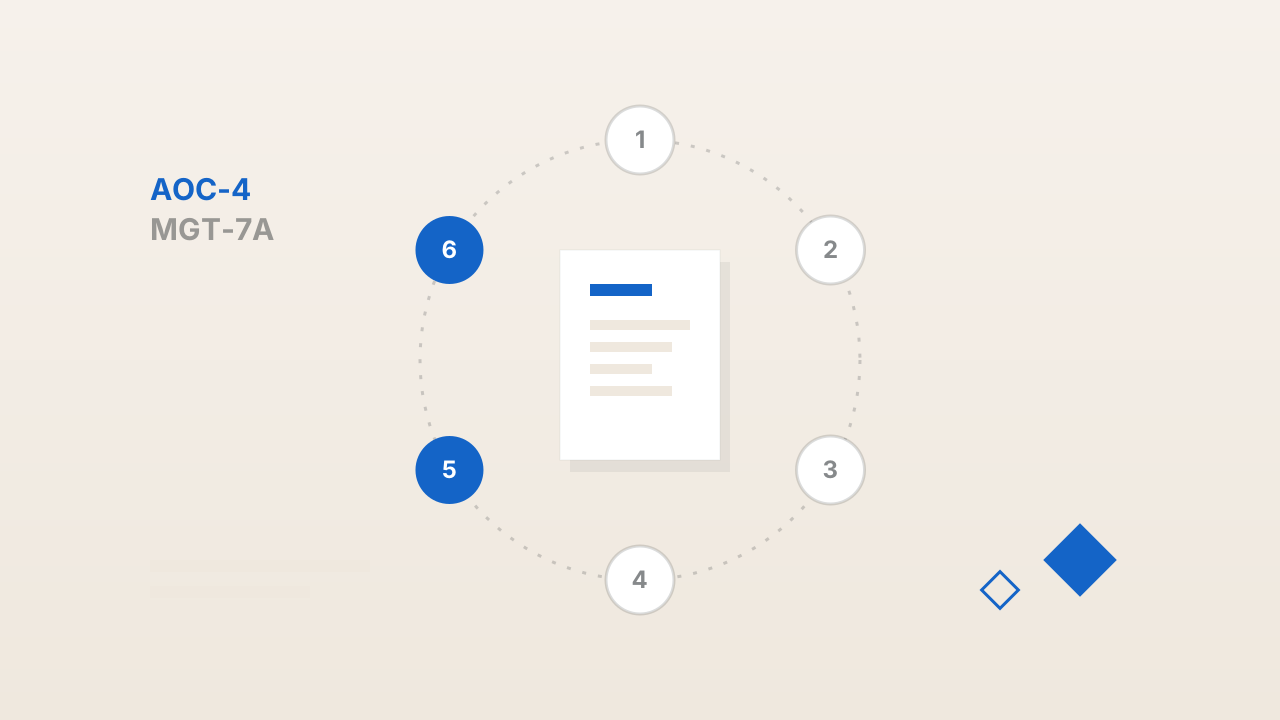
- File the accounts (AOC-4) within 30 days of the AGM.
- File the annual return (MGT-7 or MGT-7A) within 60 days of the AGM.
The forms and dates for FY 2025-26
| Form | What it is | Due (AGM on 30 Sept 2026) | Late fee |
|---|---|---|---|
| AOC-4 | Audited financial statements and board's report | 30 October 2026 (30 days after AGM) | ₹100 per day |
| MGT-7 / MGT-7A | Annual return: shareholders, directors, meetings. Small companies and OPCs use the shorter MGT-7A | 29 November 2026 (60 days after AGM) | ₹100 per day |
| ADT-1 | Auditor appointment, usually for a five-year term | 15 days after the AGM that appoints the auditor | ₹100 per day |
| DPT-3 | Return of money received that is not a deposit (for example, director loans) | 30 June | ₹100 per day |
| MSME-1 | Half-yearly return of dues to micro and small suppliers unpaid beyond 45 days (see the 45-day rule) | 30 April and 31 October | Penalties under the Act |
| DIR-3 KYC | Director KYC, per DIN | 30 June, once every three financial years | ₹5,000 and DIN deactivated |
One Person Companies do not hold an AGM; their AOC-4 is due within 180 days of the year end, which was 27 September 2026 for FY 2025-26.
What changed this year: DIR-3 KYC
Until 2025, every director filed DIR-3 KYC every year by 30 September. From 31 March 2026, it is filed once every three financial years, by 30 June. Directors still need to update their details when a phone number or email changes, but the annual ritual is gone. If your compliance calendar still shows DIR-3 KYC on 30 September, it is out of date.
What late filing costs
- ₹100 per day, per form. A 90-day delay on both AOC-4 and MGT-7 adds about ₹18,000 in fees before any penalty. The fee keeps running until you file.
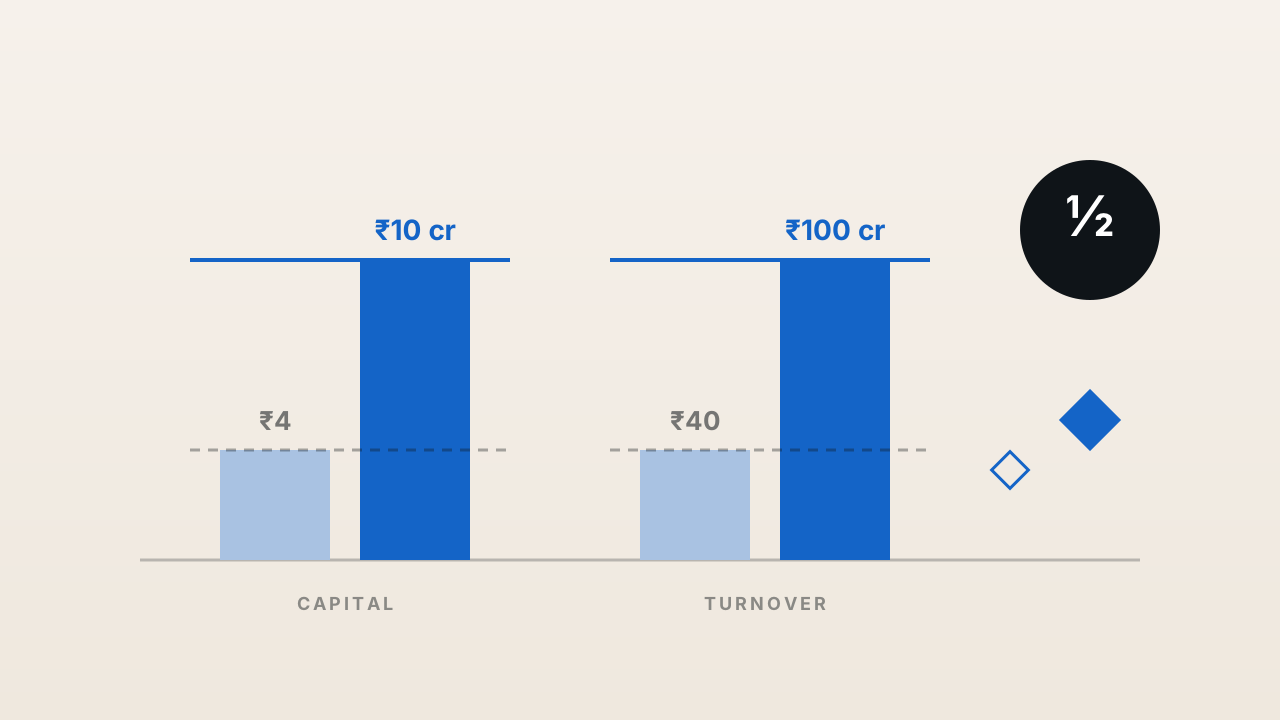
- Penalties on top. Separate penalties for the company and officers apply for non-filing. Small companies pay half the normal penalty, within caps; see our small company article.
- Director disqualification. If a company fails to file financial statements or annual returns for three continuous financial years, its directors can be disqualified from being directors of any company for five years.
- Strike-off. Persistent non-filing can lead the Registrar to strike the company off the register.
The common failures we see
- "We did no business, so nothing to file." Wrong. Nil activity still needs an audit, an AGM and both filings.
- Filing AOC-4 and forgetting MGT-7. They are separate forms with separate dates. MGT-7 is filed after AOC-4.
- The wrong annual return. A small company filing the full MGT-7 is doing more work than it needs to.
- No record of the AGM. Notices, minutes and attendance should exist even for a two-shareholder company. They are what you show if anyone asks.
- Forgetting event filings. Director changes (DIR-12), share allotments (PAS-3) and registered office changes each have their own 30-day clock, separate from the annual cycle.
If you run an LLP instead
LLPs file two annual forms: Form 11 (annual return) by 30 May, and Form 8 (statement of account and solvency) by 30 October. Late fees are also ₹100 per day, per form. Our comparison of Pvt. Ltd., LLP and OPC explains why the LLP compliance load is lighter.
The honest summary
Annual ROC compliance is not difficult; it is repetitive, date-bound and unforgiving of "we'll do it next month". The ₹100-a-day fee is the small cost. The large one is a director disqualification that follows a founder into every company they run afterwards.
Rasika's Annual ROC Compliance service runs the full cycle at a fixed fee: board and AGM documents, AOC-4, MGT-7 or MGT-7A, ADT-1 and your triennial DIR-3 KYC.
Frequently asked questions
What is the due date for AOC-4 for FY 2025-26? +
What is the due date for MGT-7 for FY 2025-26? +
Is DIR-3 KYC still annual? +
What is the late fee for ROC filings? +
Does a company with no business need to file? +
Sources (checked 1 October 2026)
- Tax Garden: ROC compliance checklist for private limited companies 2026 (forms, due dates, DIR-3 KYC every three years)
- Startup Advisory: ROC annual compliance calendar FY 2025-26 (AGM deadline, ₹100 per day, DIR-3 change from 31 March 2026)
- ClearTax Advisors: MCA compliance for private limited companies 2026 (30 Oct and 29 Nov dates, OPC 27 Sept, disqualification)
- JustStart: OPC ROC filing due dates (OPC timelines)
This article is general information, current as of 3 October 2026. It is not legal or tax advice for your specific situation.