Naming a company the MCA will actually approve
Roughly one in three company name applications is rejected, almost always for predictable reasons. Here are the six ways the MCA rejects a name, and how to clear approval on the first try.
Roughly one in three company name applications is rejected by the MCA. That surprises founders, because choosing a name feels like the creative, easy part: the bit you do over coffee. But name approval is a regulated step governed by Rules 8 and 8A of the Companies (Incorporation) Rules, 2014, and the rejections are rarely random. They follow a small, predictable set of patterns. Learn them, and you can clear approval on the first attempt instead of burning time and fees on resubmissions.
How the approval actually works
There are two routes. Most founders use SPICe+ Part A, which is built into the incorporation form. It carries no separate fee beyond the filing cost, lets you propose up to two names in order of preference, and is typically approved or rejected by the Central Registration Centre within one to three working days. The alternative is RUN (Reserve Unique Name), mostly used by existing companies or during LLP registration, which costs ₹1,000 for companies (₹200 for LLPs) per application.
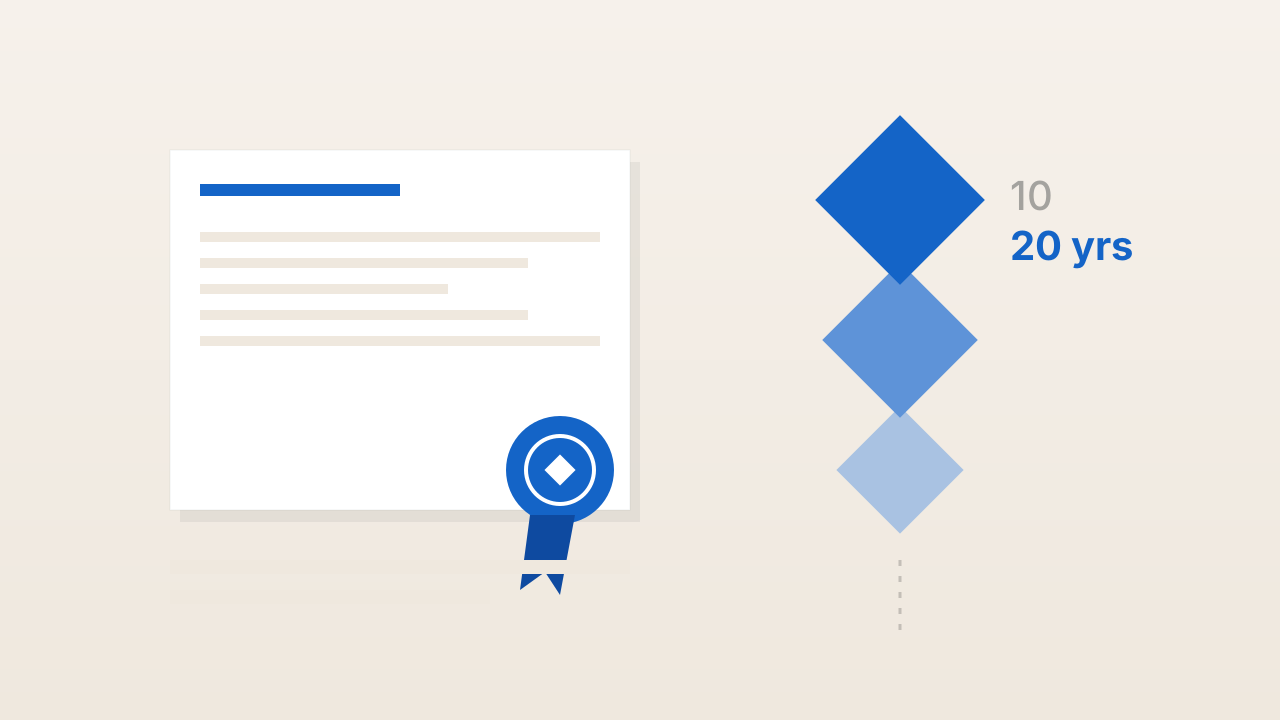
Either way, an approved name is reserved for 20 days, during which you must complete incorporation. The fee is non-refundable whether you are approved or rejected, and there is no withdrawal once submitted. That is exactly why getting it right the first time matters financially, not just for speed.
The structure of a valid name
A compliant company name generally has three parts:
- A distinctive element: a unique word or coined phrase that genuinely sets you apart. This is where approvals are won or lost.
- A descriptor (optional): a word indicating what you do, like "Logistics" or "Foods".
- The suffix: "Private Limited", "Limited", "OPC" or "LLP", matching your entity type. If you have not settled the entity yet, our structure comparison comes first.
The six ways names get rejected, and how to avoid each
1. Too similar to an existing company, LLP or trademark
This is the most common rejection, and "similar" is broader than founders expect. The MCA treats plurals, spacing, punctuation, hyphens, tense changes and minor spelling tweaks as identical. "Skyline" and "Sky Line", "Innovate" and "Innovates", "J.K. Industries" and "Jay Kay Industries": these do not count as different names. The fix: search the MCA name database and the IP India trademark registry before you apply, and make your distinctive element genuinely distinctive, not a near-clone with a comma moved.
2. Restricted or prohibited words
Words like "Bank", "Insurance", "National", "India", "Federal", "Municipal" and "Stock Exchange" are restricted. Using them requires specific approval or is barred outright. The fix: avoid them unless you have the regulatory standing and approval to use them.
3. Implying government or official connection
Names suggesting association with the Government of India, a state government, embassies or regulatory bodies are rejected, and using national emblems or names protected under the Emblems and Names (Prevention of Improper Use) Act, 1950 is a frequent, avoidable cause of rejection. The fix: do not imply a patronage or authority you do not have.
4. Generic names lacking distinctiveness
Under Rule 8A, a name that is purely generic or descriptive (describing only the activity, with no distinctive element) can be refused. "Software Solutions Private Limited" or "Quality Foods Private Limited" are too generic to register on their own. The fix: lead with a genuinely distinctive word, then describe.
5. Offensive or undesirable content
Names that are vulgar, offensive or otherwise fall within the categories of "undesirable" names in Rule 8A are rejected. This is straightforward to avoid, but occasionally tripped by an unintended meaning or an unfortunate acronym, so it is worth a second pair of eyes.
6. Misalignment with your business objects
The name should be broadly consistent with the activities you state in your incorporation documents. A name promising "Pharmaceuticals" attached to objects about event management invites a query. The fix: keep the name and your stated objects coherent.
The "significance" field is your friend. When the distinctive element is a coined or unusual word, use the significance section of the application to explain what it means and why it relates to your business. A clear explanation gives the examiner a reason to approve a name they might otherwise question, and it is one of the simplest ways to lift your approval odds.
A practical naming strategy
- Coin something distinctive. Invented or unexpected words clear approval far more easily than dictionary descriptions, and they are easier to trademark and to rank for online too.
- Search before you submit. The MCA name-search tool and the IP India trademark portal are free. Five minutes there saves a rejected application.
- Propose two genuinely different options, not one name and a comma-shifted version of it. Give yourself a real fallback.
- Check the domain and trademark in parallel. A name the MCA approves but that is unavailable as a domain, or already trademarked by someone else, is a hollow win. Our guide to trademark classes explains which classes to search and file in.
Once the name is through, the rest of the setup follows in a predictable order; our napkin-to-business map lays it out, and the honest cost of starting a business puts numbers on it.
Where we fit
Name approval is the first thing that can stall an incorporation, and it is almost entirely avoidable with the right preparation. As part of company formation, we run the searches, structure the name to clear Rule 8 and write the significance section, so your application has the best possible chance on the first attempt. Because we also handle trademarks, we check name and trademark together, so you do not approve a name you cannot protect. If you have a name in mind and want to know whether it will clear, that is a quick conversation.
As part of Company Registration, Rasika runs the MCA and trademark searches, structures the name to clear Rule 8 and writes the significance section, so your application has the best chance first time.
This article is general information, current as of 3 October 2026. It is not legal or tax advice for your specific situation.