The honest cost of starting a business in India, itemised
Registration, compliance, brand and web presence: every rupee between the idea and the open sign, with the optional and the essential clearly separated.
Search "company registration India" and you will be told you can start a business for ₹499. It is the most quietly misleading number in Indian entrepreneurship. That figure is a marketing hook: a partial professional fee with the actual cost of becoming a real, operating business stripped out of it. The stamp duty is missing. The digital signatures are missing. And everything that happens after the certificate of incorporation, the part where you actually start trading, is missing entirely.
This guide does the opposite. It itemises the genuine, end-to-end cost of getting a business off the ground in India in 2026: incorporation, yes, but also the website, the brand, the cards you hand across a table, and the first year of compliance that arrives whether you planned for it or not. The goal is simple. When you sit down to budget, the number you write down should be the real one.
Bucket one: incorporation
Incorporating a company in India is genuinely affordable now, because the government has worked hard to make it so. The SPICe+ form consolidated what used to be a dozen separate filings, and for most founders the statutory cost is modest. The honest way to understand it is in three parts.
Government (MCA) fees. For a standard private limited company with two directors and authorised capital up to ₹15 lakh, the central filing fee is effectively nil. Your DIN (Director Identification Number) is issued through the form at no extra cost, and PAN and TAN are auto-allotted. The real statutory variable is stamp duty, which is a state subject. It ranges from a few hundred rupees to roughly ₹10,000 to ₹12,000 depending on where you register and your capital. A founder in one state can legitimately pay several times what a founder in another pays for the identical company.
Digital Signature Certificates (DSC). Every director needs one to sign electronically. Budget roughly ₹1,000 to ₹2,000 per director, valid for two to three years.
Professional fees. This is what you pay the CA, CS or firm who drafts your MoA and AoA, files SPICe+ correctly, and handles any query the MCA raises. It is also where the ₹499 ads do their damage: they advertise a fraction of this and add the rest later. A name the MCA rejects costs time on top; our guide to naming a company the MCA will approve covers how to avoid that.
| Incorporation component | Realistic 2026 cost |
|---|---|
| MCA filing (capital up to ₹15L)DIN, PAN, TAN included | ₹0 |
| Stamp dutyState-dependent: the big variable | ₹500 to ₹12,000 |
| DSCPer director, 2 directors typical | ₹2,000 to ₹4,000 |
| Professional and filing fees | ₹5,000 to ₹12,000 |
| All-inclusive Pvt. Ltd. | ₹7,000 to ₹25,000 |
An LLP runs a little cheaper, and an OPC sits in a similar range. The reason reputable firms quote an all-inclusive number (ours is a flat ₹11,000 for a private limited company, everything bundled) is precisely so this table does not become a series of unwelcome surprises. When a price excludes stamp duty and DSC, it is not a price. It is a deposit.
The honest version. Realistic, all-inclusive incorporation of a private limited company in 2026 lands between ₹7,000 and ₹25,000, with most well-run setups around ₹11,000 to ₹16,000. The spread is almost entirely stamp duty and who does the filing.
Bucket two: looking like a real business
Here is the part the registration ads never mention, because it is not their product. A certificate of incorporation makes you a legal entity. It does not make you a business anyone can find, trust or buy from. For that, you need a basic presence, and this is where most first-year budgets quietly double.
You do not need all of it on day one. But you should know it exists, so you can sequence it rather than be ambushed by it.
A brand identity
At minimum, a logo and a basic set of rules for how it is used: colours, typography, the things that keep your business looking consistent across a website, an invoice and an Instagram post. In India in 2026, early-stage branding runs ₹20,000 to ₹50,000 for a proper identity from a studio; a logo alone from a freelancer can be ₹5,000 to ₹15,000. The ₹2,000 marketplace logo exists, and the trouble with it is that several hundred other businesses have a near-identical one. You do not own the concept, and it tends to need replacing within a year or two. You pay twice. Our checklist of what a brand identity should deliver includes the copyright assignment most founders never ask for.
A website and the things under it
A single, well-built page on your own domain, with business email, is enough to start. The visible cost is the build; the recurring costs underneath it are the ones founders forget:
- Domain name: roughly ₹800 to ₹1,500 a year for a .com or .in.
- Hosting: ₹2,000 to ₹6,000 a year for a small site on shared hosting.
- Business email: ₹1,500 to ₹3,000 per user per year (Google Workspace or equivalent), so you are writing from you@yourcompany.com, not a Gmail address.
- SSL and basic analytics: usually bundled, occasionally not. Certificates now expire far more often than they used to, which is one reason a maintenance retainer is worth understanding before you need one.
A clean one-page launch site, configured end to end, is a fixed ₹15,000 with us; a fuller 5 to 7 section site sits higher. The point is less the build price and more that hosting, domain and email are annual. They reappear every year, and they belong in your budget from the start.
Marketing collateral
The unglamorous, genuinely useful things: business cards, a one-page company profile or brochure, a basic deck for when someone asks "so what do you do?", and a few branded templates for quotes and invoices. None of it is expensive on its own. Business cards are a few hundred rupees to print and a profile design a few thousand. But it is the difference between a business that looks established and one that looks like it started last Tuesday. Collateral is also the cheapest credibility you will ever buy.
| Presence component | Typical first-year cost |
|---|---|
| Logo and basic brand identity | ₹12,000 to ₹50,000 |
| One-page launch websiteBuild, one-time | ₹15,000 to ₹30,000 |
| Domain, hosting and emailRecurring, per year | ₹4,000 to ₹10,000 |
| Business cards and collateral | ₹3,000 to ₹15,000 |
| Looking real, year one | ₹34,000 to ₹1,05,000 |
Bucket three: the first year of compliance
This is the bucket that catches people hardest, because it arrives after the excitement has worn off. A registered company has obligations from the day it exists, and they cost money to meet. The first 90 days of compliance set out the early deadlines in order; across the full first year, budget for:
- Commencement of business (Form INC-20A): filed after you deposit your share capital, before you can really begin. Small government fee, modest professional fee.
- Auditor appointment (ADT-1): a private limited company must appoint a statutory auditor within 30 days.
- The statutory audit: every company is audited every year, whatever its turnover. A separate tax audit applies only above ₹1 crore of turnover (₹10 crore if cash receipts and payments each stay within 5%).
- Annual ROC filings: AOC-4 and MGT-7 or MGT-7A every year, whether or not you traded. Our annual ROC filing guide lists every form and date.
- Income tax return: annually, now under the Income-tax Act, 2025.
- GST returns: monthly or quarterly, if you are registered. See which GST returns you file and when.
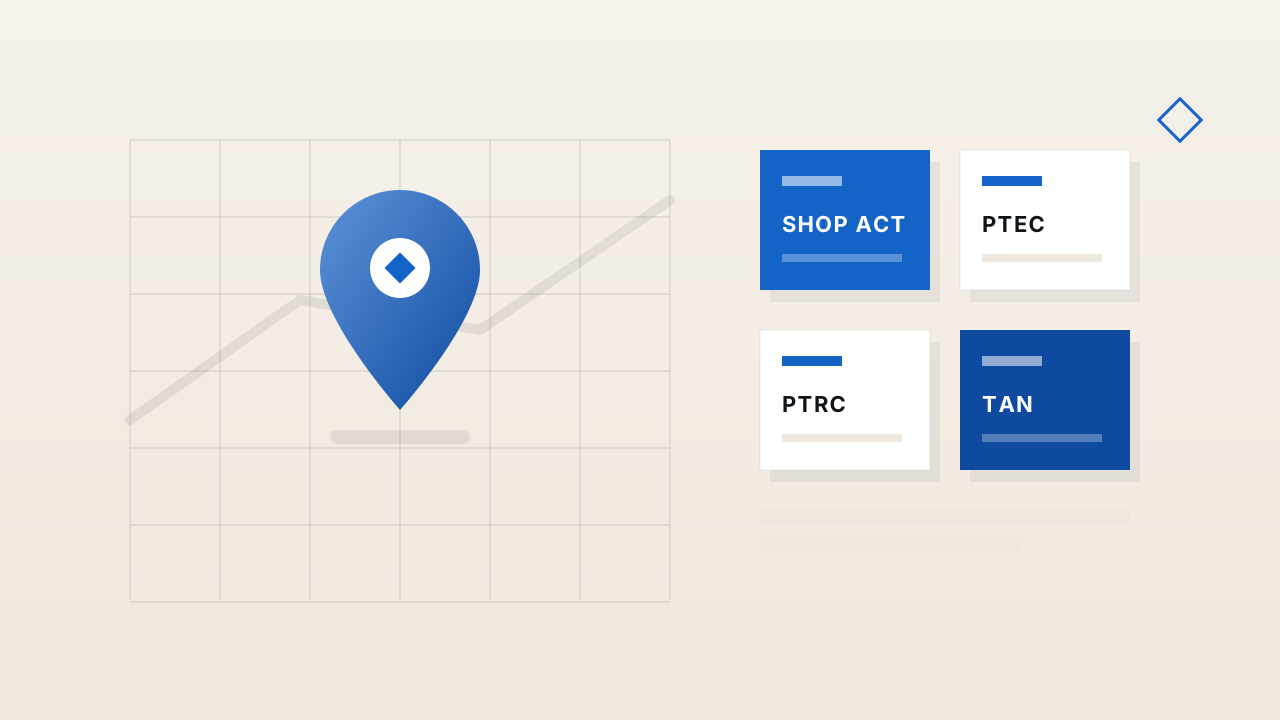
- State registrations: in Maharashtra, Shop Act and professional tax apply from early on; our Pune registrations guide covers them.
- Accounting and bookkeeping: the ongoing work that makes all of the above possible, typically ₹3,000 to ₹7,000 a month for an early-stage company, depending on transaction volume.
Budget ₹15,000 to ₹50,000 or more for the first year of compliance for a private limited company, depending on activity. It is, bluntly, the running cost of being a "Pvt. Ltd.". There is some relief built in: almost every new company is a small company under the 2025 limits, with fewer board meetings, a shorter annual return and lower penalties. And it is why some founders are better served by an LLP, which carries lighter annual obligations if turnover stays modest. That choice is worth making deliberately, with advice, before you incorporate, not after.
A note on entity choice. An LLP can save a low-turnover business ₹20,000 to ₹50,000 a year in compliance compared with a private limited company. A Pvt. Ltd. is usually right if you intend to raise investment. The cheaper question to answer is "which structure?" Answered before you file, it costs nothing; answered after, it is a conversion. Our structure comparison sets out the trade-offs.
The honest total
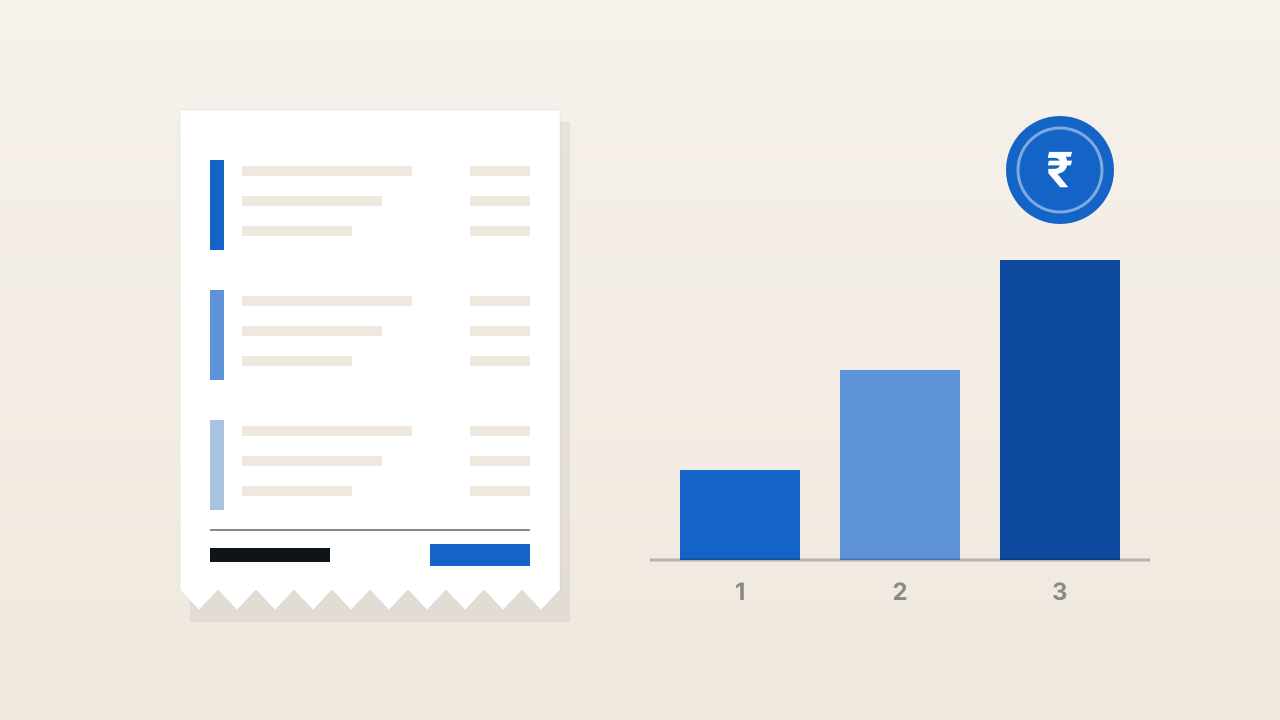
Putting the three buckets together, here is what it actually costs to start, and properly launch, a business in India in 2026:
| Bucket | Realistic range |
|---|---|
| Incorporation | ₹7,000 to ₹25,000 |
| Brand, website and collateral | ₹34,000 to ₹1,05,000 |
| First-year compliance | ₹15,000 to ₹50,000 |
| Year one, all in | ₹56,000 to ₹1,80,000 |
Most founders who budget ₹30,000 for "registration" are quietly facing ₹60,000 to ₹1,00,000 in their first year once the rest of it lands. That is not a reason not to start: limited liability, credibility and the ability to raise money are worth far more than the outlay. It is a reason to start with the real number in front of you.
None of this needs to happen at once, either. Incorporate first. Add the one-page site and email. Print cards when you have meetings to take them to. Layer the rest as revenue allows. The mistake is not spending too little or too much. It is being surprised, because surprise is what turns a manageable cost into a cash-flow problem.
Where we fit
This is, more or less, the reason Rasika & Co. exists. We handle company formation at a flat ₹11,000, all-inclusive. But the part we actually care about is everything in buckets two and three: the brand, the launch site, and the accounting that keeps the compliance bucket from becoming a crisis. Formation is simply where the relationship starts. If you would like the real number for your business (your state, your structure, your plan), that is a thirty-minute conversation, and it is on us.
Rasika's Company Registration is a flat ₹11,000 for a private limited company, all-inclusive: stamp duty, DSCs and filing, with no "+ GST" footnote.
This article is general information, current as of 3 October 2026. It is not legal or tax advice for your specific situation.