Trademark classes explained: how to pick the right ones without over-paying
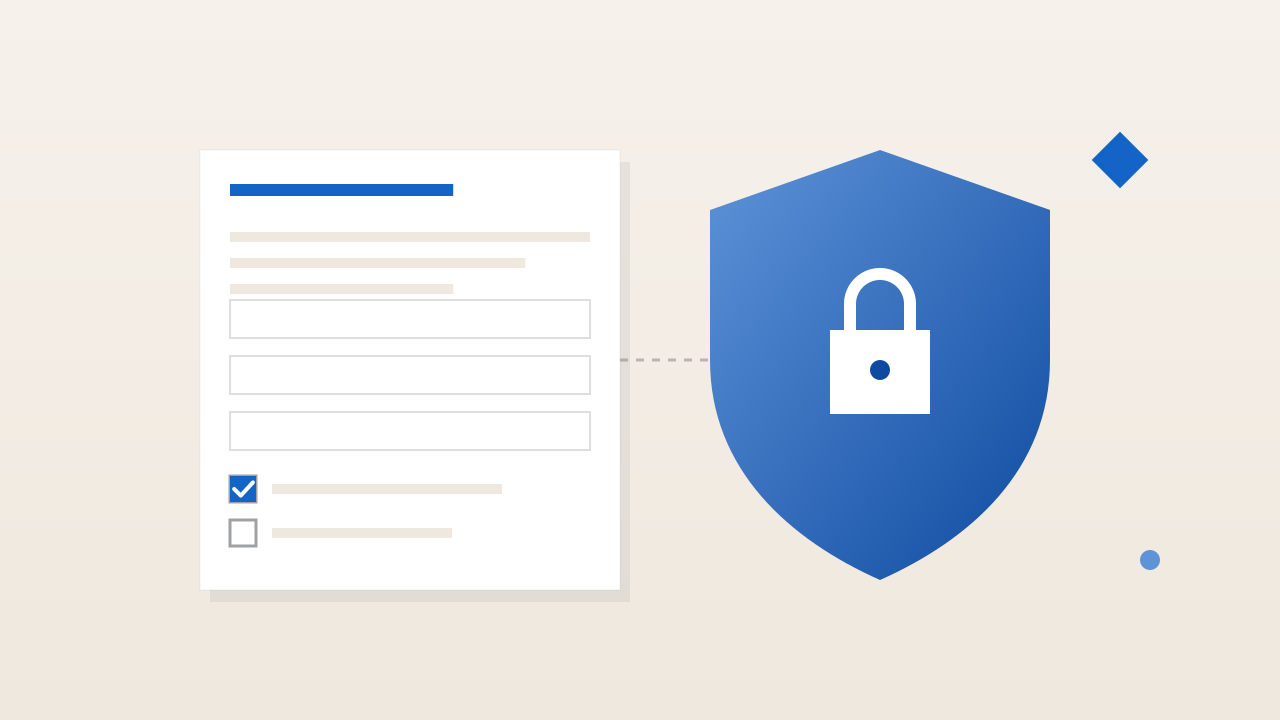
A trademark does not protect your name everywhere. It protects it in the classes you file in, and you pay for each one. File in too few and a competitor can use your name next door. File in too many and you pay for protection you will never use. Here is how to choose.
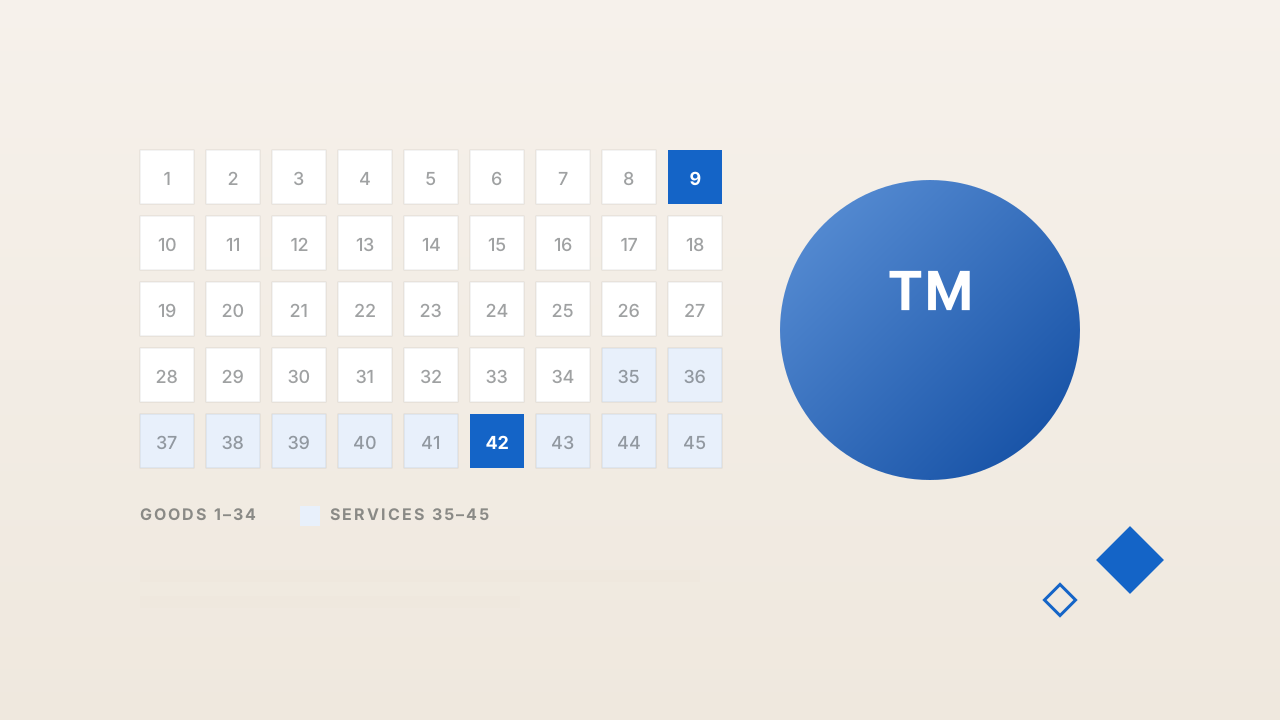
How classes work
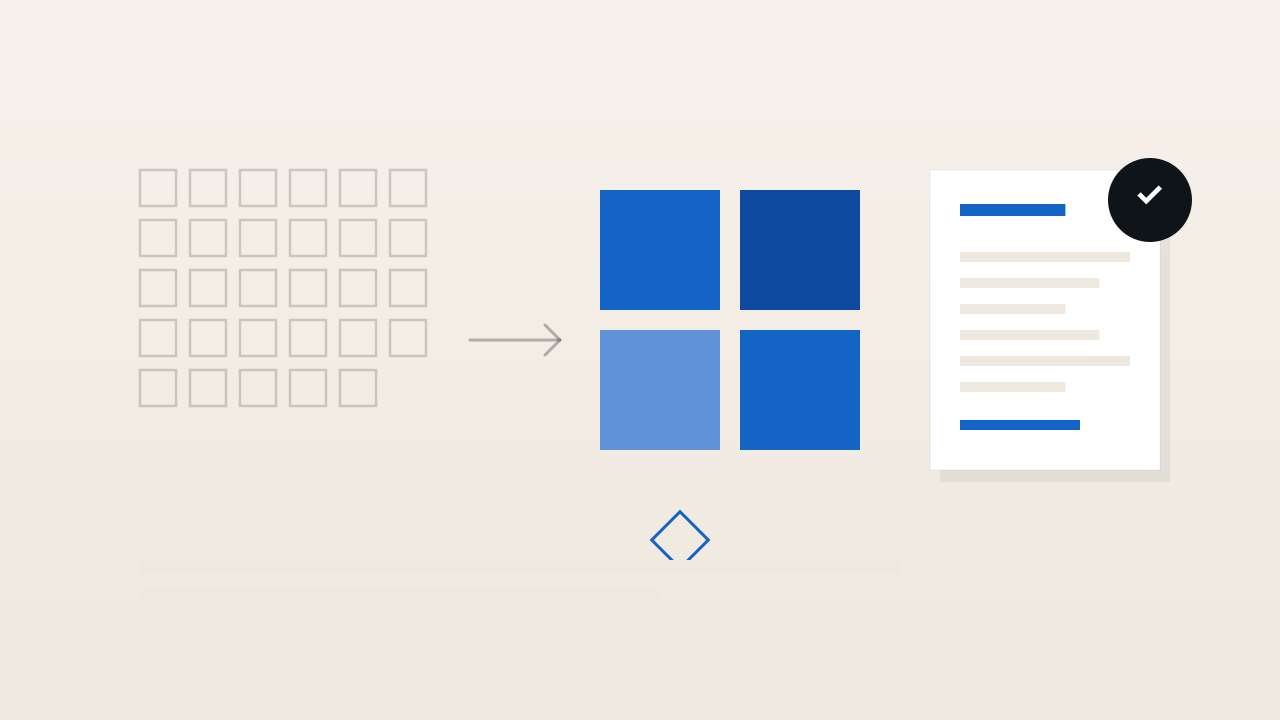
India follows the international Nice Classification: 45 classes, where classes 1 to 34 cover goods and classes 35 to 45 cover services. When you apply, you choose one or more classes and describe the specific goods or services you offer inside each.
Two consequences matter:
- Protection is class-bound. A registration for coaching services in Class 41 does not stop someone using the same name for packaged snacks in Class 30.
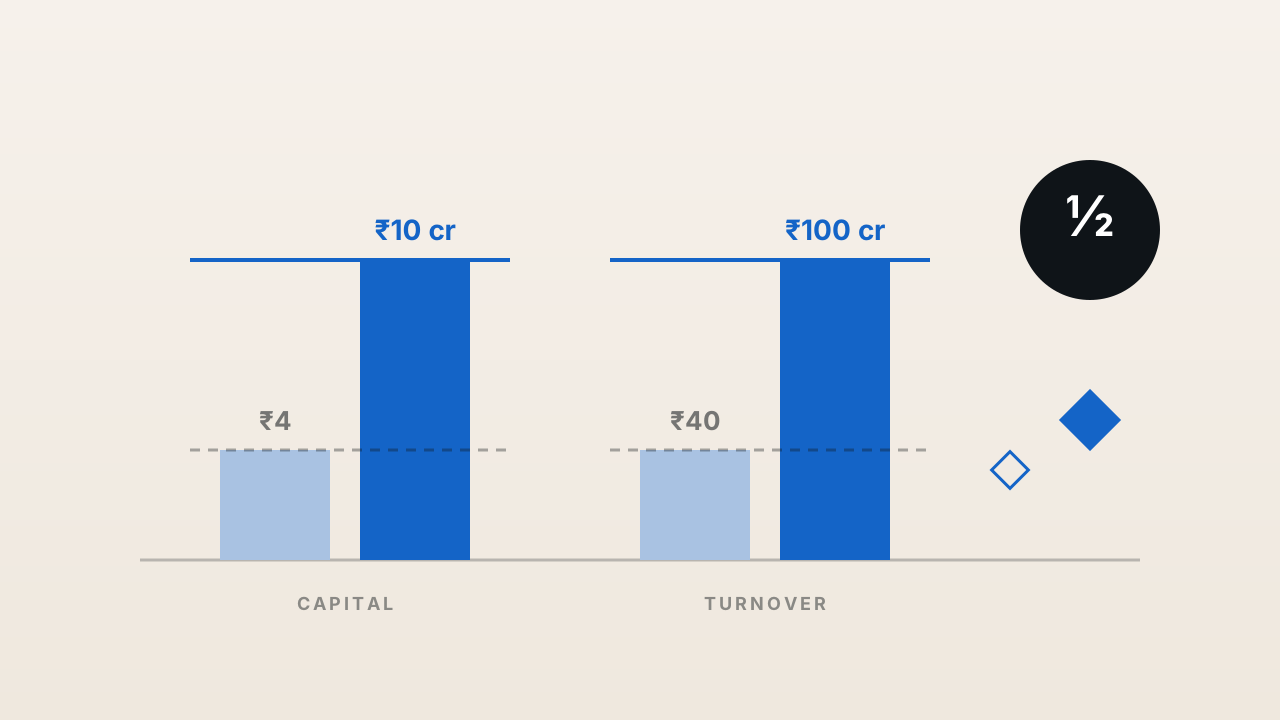
- The fee is per class. The government fee is ₹4,500 per class for individuals, DPIIT-recognised startups and MSMEs filing online, and ₹9,000 per class for other companies and LLPs. Three classes cost three times as much.
That is also why the Udyam registration we recommend first halves your trademark cost if you are a company or LLP.
The classes our clients most often need
| If your business is… | Core class | Often also |
|---|---|---|
| A software product or mobile app | 9 (downloadable software, apps) | 42 (SaaS, platform, development services) |
| An IT or software services firm | 42 (software development, IT consulting, hosting) | 9 if you ship your own product |
| A marketing, consulting or business services firm | 35 (advertising, business management, consulting) | 41 if you run training |
| A coaching institute, edtech or training business | 41 (education, training, events) | 9 for an app, 16 for printed material |
| A clinic, diagnostic lab or health service | 44 (medical, healthcare, beauty services) | 9 or 42 for a patient app |
| A restaurant, café or cloud kitchen | 43 (food and drink services) | 30 or 29 if you sell packaged food |
| A clothing or fashion brand | 25 (clothing, footwear) | 35 for online retail services |
| A cosmetics or personal care brand | 3 (cosmetics, cleaning preparations) | 5 for medicated products, 35 for retail |
| A fintech or financial services business | 36 (financial, insurance, payment services) | 9 and 42 for the app and platform |
| A legal, compliance or security service | 45 (legal and security services) | 35 for business advisory |
The three questions that decide your classes
1. What do you sell today? Every product or service you actually offer under the name needs its class. This is non-negotiable.
2. What will you realistically sell in the next three to five years? You can apply for goods or services you intend to use. If your agency plans a SaaS product next year, filing in Class 9 and 42 now costs less than fighting a copycat later.
3. Where would a copycat hurt you most? Sometimes the neighbouring class matters more than a distant one. A café brand that may sell packaged coffee should think about Class 30 before it thinks about Class 25 merchandise.
The mistakes that leave gaps
- Software in the wrong class. Downloadable software and apps are Class 9; software delivered as a service is Class 42. Many SaaS companies need both.
- Class 35 as a catch-all. Class 35 covers advertising, business consulting and retail services. It does not protect your product itself. A D2C clothing brand filing only in 35 has protected its online store, not its clothes.
- Vague descriptions. "All goods in Class 9" invites objections. Describe what you actually offer, using the registry's accepted terms where possible.
- Filing in the founder's name by accident. If the company will own the brand, file in the company's name, or assign it properly later.
- Skipping the search. Search the IP India public database in each class before filing. A similar existing mark in your class is the most common reason for objection. Do it alongside the company name check, so you do not approve a name you cannot protect.
After you file
You can use the ™ symbol from the day you apply. The ® symbol is only for registered marks, and only in the classes where the mark is registered; using it otherwise is an offence. A registration lasts ten years and can be renewed indefinitely.
The honest summary
Most small businesses need one or two classes, not ten. Pick the classes for what you sell now and what you will credibly sell soon, describe your goods and services precisely, and search before you file. Protection you cannot use is not protection; it is an invoice.
Rasika's Trademark Search & Filing service includes a class-by-class search and a recommendation of which classes to file, before any government fee is paid.
Frequently asked questions
How many trademark classes are there in India? +
Which class is software in? +
How much does it cost to file a trademark per class? +
Can I file one application in several classes? +
When can I use the ® symbol? +
Sources (checked 1 October 2026)
- Intepat: trademark registration fees India 2026 (₹4,500 and ₹9,000 per class, per class not per application)
- Legal Suvidha: e-registering a trademark in India (TM-A, DPIIT and Udyam applicants, Class 9 and 42 example)
- IncorpX: trademark classes explained (45 classes, 34 goods and 11 services, software classes)
- TAXAJ: trademark registration fees (official fee table, physical vs online)
This article is general information, current as of 3 October 2026. It is not legal or tax advice for your specific situation.